
How to Start a CSR Program: A 7-Step Plan for 2027
Most companies don’t need more CSR programs, they need the ones they have to work. That’s the takeaway from CECP’s 2026 research on corporate giving, which found employee participation stuck at about a quarter for volunteering and about a fifth for matching gifts, even as companies added new options.
CECP’s advice is to remove barriers to participation instead of adding more programs.
That’s good news if you’re starting from zero. You can build it right the first time.
If you’re figuring out how to start a CSR program for the new year, this guide gives you a 7-step plan, the strategies that keep people involved after launch, and a one-page template. If you want a first initiative that’s simple to launch, you can start a free company shoe drive here.
What is a CSR program?
A CSR (corporate social responsibility) program is a company’s ongoing plan for doing good beyond its own profits. It usually includes one or more initiatives, someone responsible for running them, and a way to measure and report results.
 A one-time donation isn’t a program. A program repeats, has an owner, and produces numbers you can share.
How to start a CSR program in 7 steps
 Step 1: Write down why you’re doing it
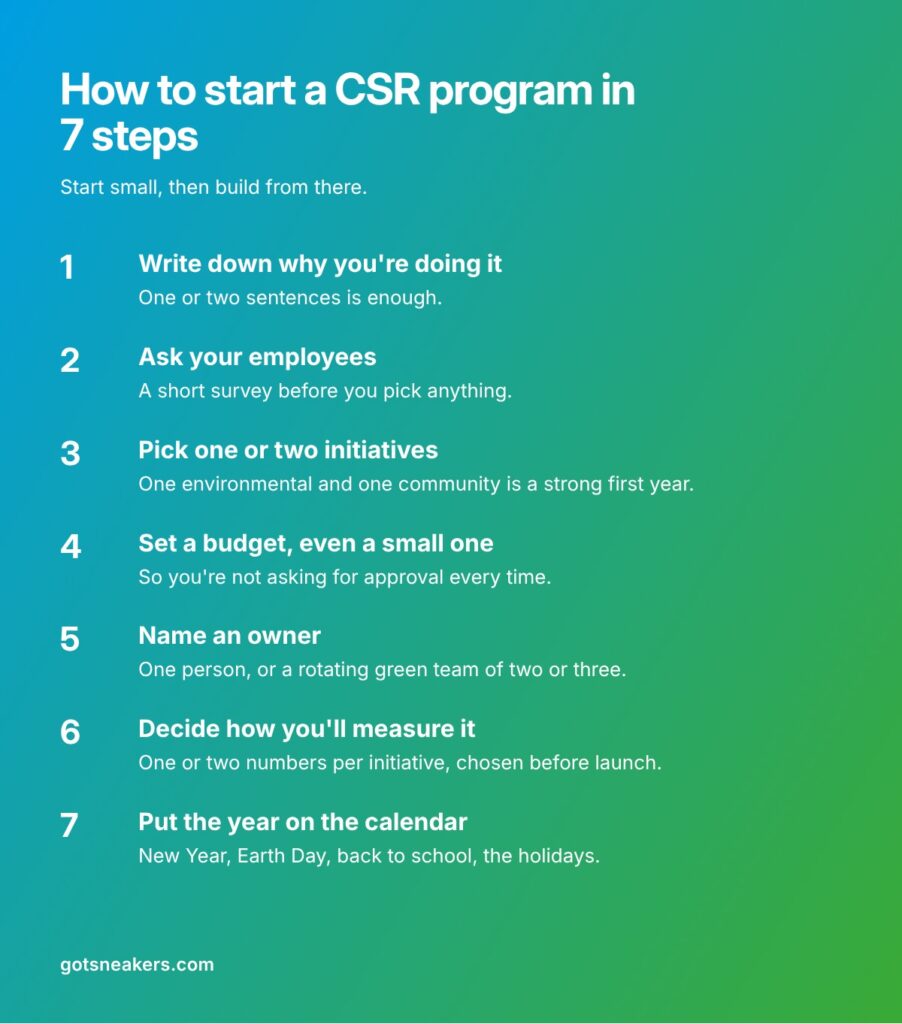
One or two sentences is enough. “We want to cut the waste our office sends to landfills and give employees an easy way to give back” is a clear reason. It will guide every decision after this, including what to say no to.
Step 2: Ask your employees
Send a short survey before you pick anything. Ask what causes people care about, what they’d realistically take part in, and when they have time. The answers will save you from launching something nobody joins.
Step 3: Pick one or two initiatives
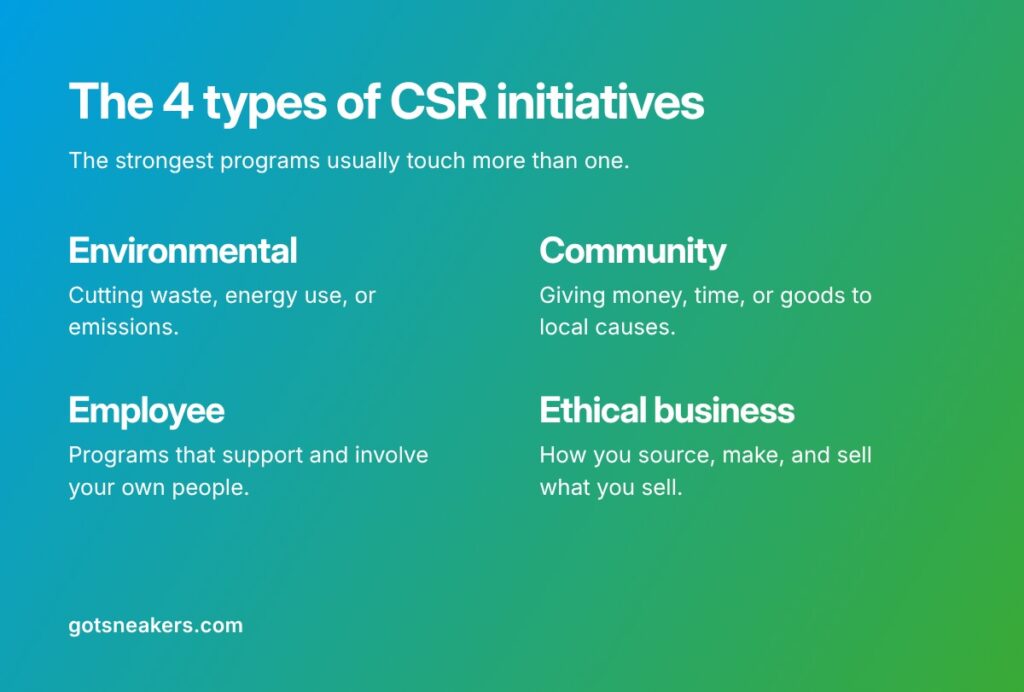
Start small. One environmental initiative and one community initiative is a strong first year. Look for options that connect to your business, that employees can join during a normal work week, and that produce a number. Our list of corporate social responsibility initiatives has 15 to choose from.
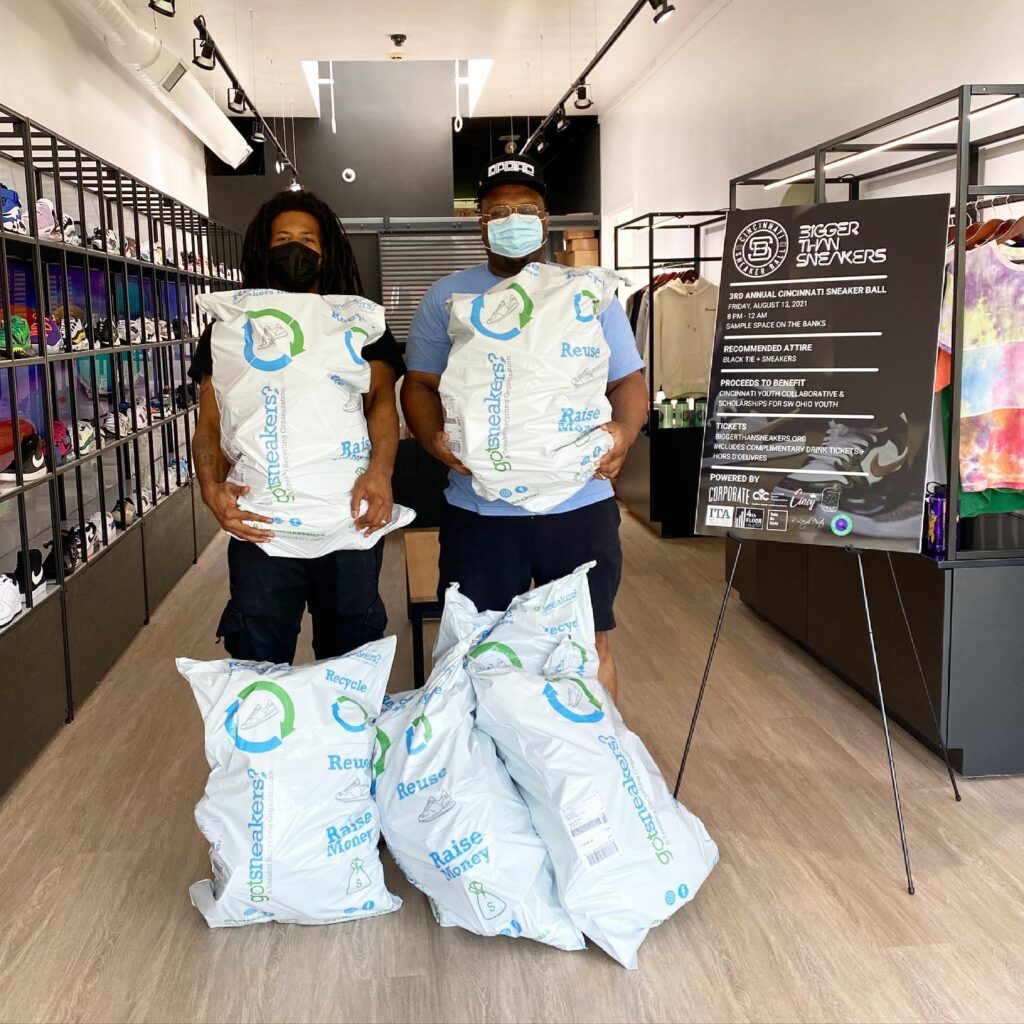
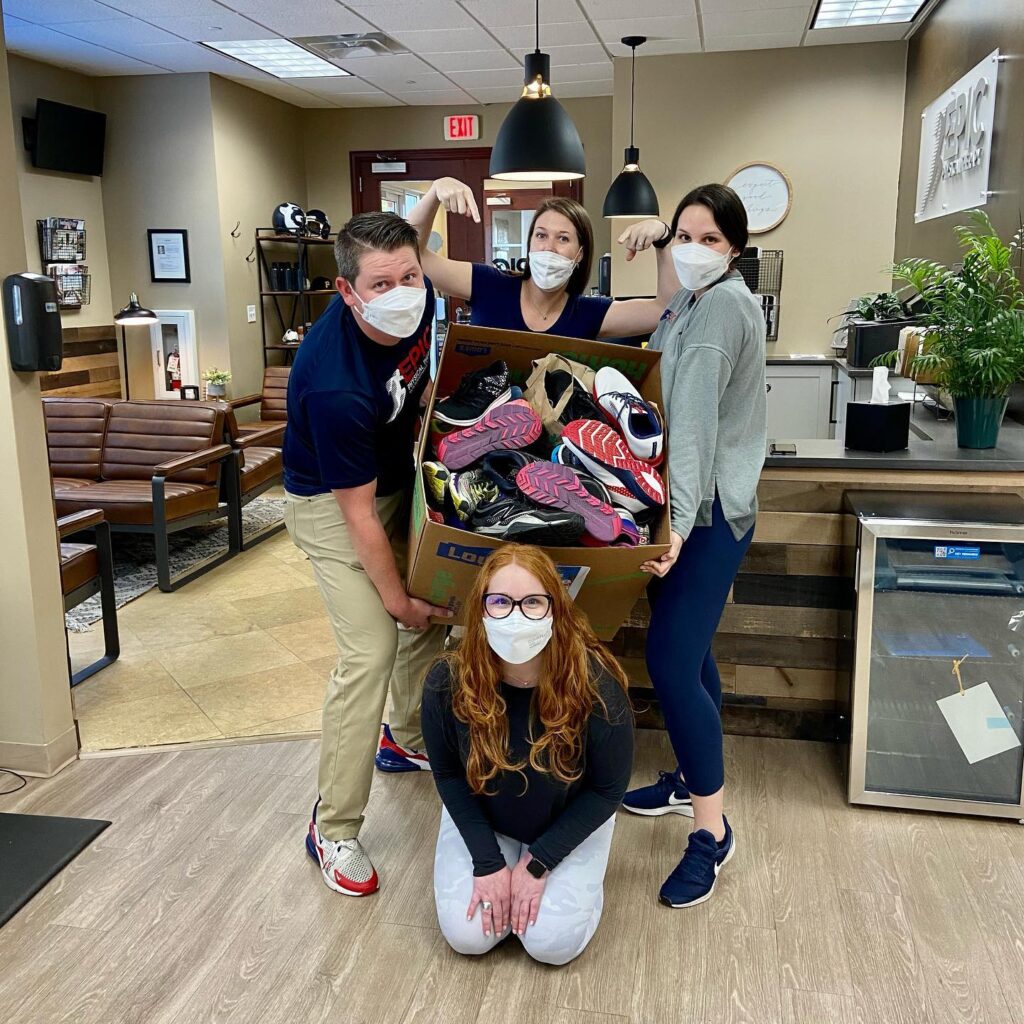
A shoe drive is an easy first pick for a lot of companies. With GotSneakers, you get free collection bags and prepaid shipping labels, gently worn pairs go on to be worn again, and you receive an eCheck for eligible footwear plus a monthly Environmental Impact and Earnings Report.
Step 4: Set a budget, even a small one
Some initiatives cost almost nothing, like a shoe drive or a card-writing session. Others need money for supplies, volunteer time off, or a donation match. Decide what you can commit for the year so you’re not asking for approval every time.
Step 5: Name an owner
Every program that lasts has one person keeping it moving. In a larger company, a rotating green team of two or three volunteers spreads the work. The owner’s job is simple: keep supplies stocked, send reminders, and share updates.
Step 6: Decide how you’ll measure it
Pick one or two numbers per initiative before you launch. Pairs of shoes diverted, dollars donated, and volunteer hours are all easy to track. With a GotSneakers collection, your monthly report does this part for you, and every pair kept in use averts about 30 pounds of CO2e, roughly what it takes to make a new pair.
Step 7: Put the year on the calendar
Map your initiatives to moments that already happen: New Year closet clean-outs, Earth Day on April 22, back to school, and the holidays. Our guide to keeping employees engaged in sustainability all year has a month-by-month calendar you can borrow.
Strategies for corporate social responsibility that keep people involved
Launching is the easy part. These strategies are what keep a program alive in month eight.
Make it easy to join
This is CECP’s main point, and it holds for small companies too. If taking part means giving up a Saturday or reaching for a credit card, most people won’t. Offer at least one option that fits into a normal work day and costs employees nothing. Our team building volunteer ideas include several that take an hour or less.
Give people more than one way in
Some employees will give money. Others will give time, or something they already own. A staff giving campaign with a few options reaches more of your team than a single ask.
Share results on a schedule
Post a short update every month or quarter in the place your team already looks, like Slack, the company newsletter, or an all-hands slide. People keep showing up for a program when they can see what it’s adding up to.
Only claim what you can prove
It’s tempting to round up or borrow a big industry stat. Don’t. Report your own verified numbers, and you’ll never have to walk anything back. Programs that send you real totals make this much easier.
Review it once a year
At the end of the year, look at participation and results for each initiative. Keep what worked, drop what didn’t, and add one new thing if your team has room for it.
Who should own CSR at a small company?
Most small and mid-size companies don’t have a CSR department, and they don’t need one to start. The program usually lands with HR, people operations, or office management, because those teams already run employee events and communications.
What matters more than the title is time. Whoever owns it should have a few hours a month set aside for it, written into their role. A program that runs on someone’s spare time tends to fade the first busy quarter.
If leadership wants the program to last, have one executive sponsor it. They don’t run anything day to day, but they show up for the kickoff, mention results at all-hands, and approve the budget without a fight.
A one-page CSR program template
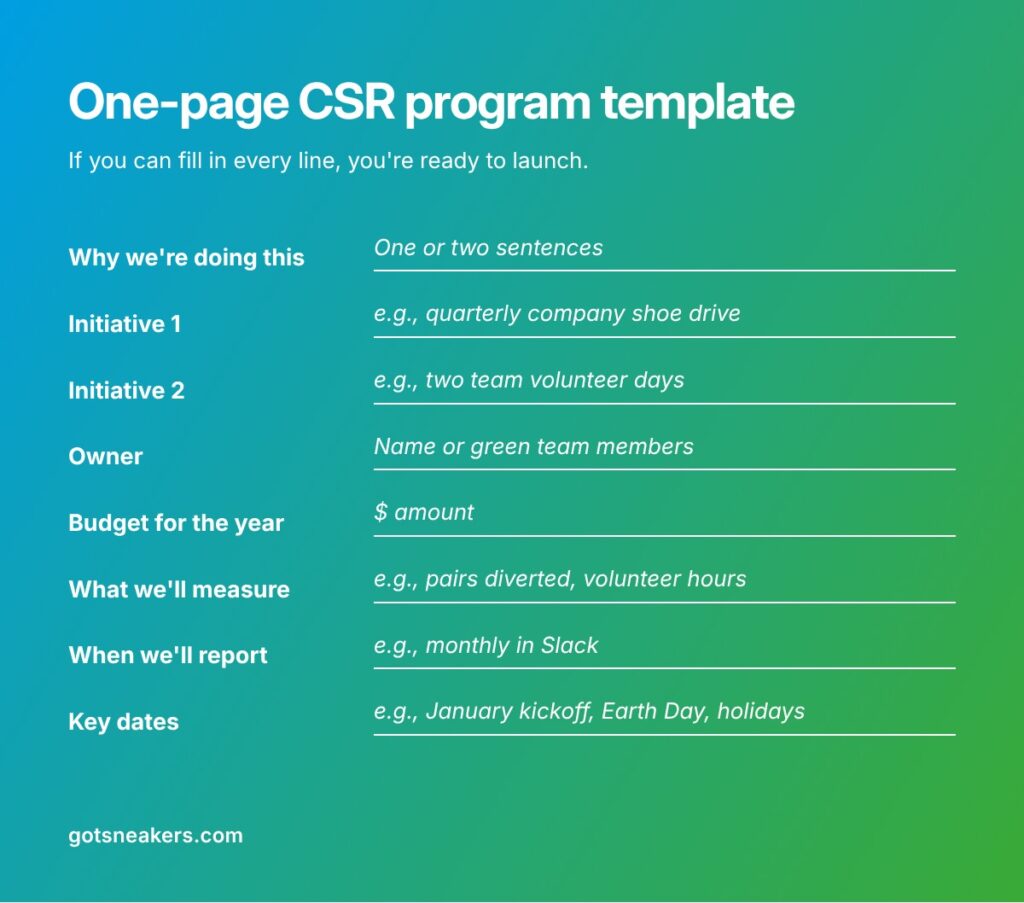 Copy this into a doc and fill it in. If you can complete every line, you’re ready to launch.
- Why we’re doing this: [one or two sentences]
- Initiative 1: [name, e.g., quarterly company shoe drive]
- Initiative 2: [name, e.g., two team volunteer days]
- Owner: [name or green team members]
- Budget for the year: [$ amount]
- What we’ll measure: [e.g., pairs diverted, volunteer hours]
- When we’ll report: [e.g., monthly in Slack, yearly in our CSR report]
- Key dates: [e.g., January kickoff, Earth Day, holiday campaign]
Common mistakes to avoid
Mistake: Launching five initiatives at once.
Fix: Start with one or two you can run well, then add more next year.
Mistake: Picking causes without asking employees.
Fix: Survey first. People join what they helped choose.
Mistake: No owner.
Fix: Put a name on it. Programs without one tend to fizzle out.
Mistake: Waiting until the end of the year to share results.
Fix: Share progress monthly or quarterly so people have a reason to keep going.
FAQs about starting a CSR program
How do you start a CSR program at a small company?
Write down why you’re doing it, ask employees what they care about, and pick one or two simple initiatives with an owner and a number to track. A shoe drive or a staff giving campaign is an easy first step.
How much does it cost to start a CSR program?
It can cost very little. Some initiatives, like a GotSneakers shoe drive, are free to sign up for. Others, like donation matching or volunteer time off, depend on the budget you set.
What should a CSR strategy include?
A clear reason, one or two initiatives, an owner, a budget, the numbers you’ll measure, and a schedule for sharing results.
How long does it take to launch a CSR program?
A simple program can launch in a few weeks. Give yourself time to survey employees, pick initiatives, and order any supplies before your kickoff date.
How do you measure the success of a CSR program?
Track participation and results for each initiative, such as pairs diverted, dollars donated, or volunteer hours. GotSneakers partners get a monthly Environmental Impact and Earnings Report with their own totals.
Can we include our CSR results in a sustainability report?
Yes. Use your own verified numbers. A GotSneakers collection gives you monthly totals for pairs diverted and environmental impact that you can add to an annual report.
Start the year with your first initiative
The best CSR programs start small and keep going. A company shoe drive is free to sign up for, easy for employees to join, and gives you numbers from the first month.
If you want it running for a January kickoff, sign up in December so your bags arrive before the holidays end.