How to Keep Employees Engaged in Sustainability All Year
Most workplace sustainability programs follow the same curve. There’s a kickoff email, a burst of excitement, a full collection bin for a few weeks, and then the bin sits half-empty by the vending machine until someone moves it to a storage closet.
Usually people still care, but nothing gave them a reason to think about it again.
If your company already runs a shoe collection with GotSneakers, you already get real numbers every month, which most programs never have. This guide covers how to use them, plus a month-by-month plan for keeping employees involved from January through December.
Why employee engagement fades after launch
A launch has energy because it’s new, but after that a collection program has to compete with everything else on people’s plates, and three things usually cause the drop-off.
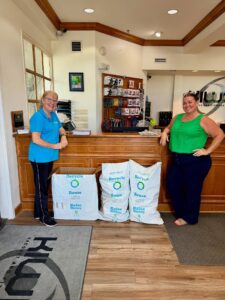
Nobody sees the results. Employees bring in a few pairs and never hear what happened. Without a result, there’s no reason to do it again.
There’s no rhythm. A program that’s “always on” is easy to forget. People respond to moments, deadlines, and reasons to act this week.
No one owns it. If nobody’s name is on the program, the bin gets moved, the bags run out, and the program fizzles out.
The fixes for all three are simple, and none of them take much budget.
Share your impact numbers every month
Every GotSneakers partner gets its own Environmental Impact and Earnings Report each month, along with the eCheck. That report is the most useful engagement tool you have, because it turns “I brought in some old shoes” into a number people can see.
Put a short update wherever your team already looks, such as the company newsletter, a Slack channel, or the screen in the break room. Keep it to a few lines:
- Pairs your team sent in this month
- The environmental impact of those pairs
- A running total for the year
- A thank-you to the department or office that brought in the most
For context, every pair kept in use averts about 30 pounds of CO2e, roughly what it takes to make a new pair. A team that sends in 200 pairs in a year has kept about 6,000 pounds of CO2e out of the air. Those are the kinds of numbers that make people want to bring in another bag.
A year-round calendar for your collection
The easiest way to keep a program alive is to tie it to moments that already happen. Here’s a starting calendar you can adjust to your company’s schedule.
| When | Moment | What to do |
|---|---|---|
| January | New Year closet clean-outs | Kick off the year with a “clear the closet” push and post last year’s totals |
| March to April | Spring cleaning | Run a two-week department challenge |
| April 22 | Earth Day | Share your year-to-date impact and set a goal for the rest of the year |
| June to July | Summer, mid-year check-in | Post a halfway update and recognize your top collectors |
| August to September | Back to school | Invite employees to bring in the shoes their kids outgrew over the summer |
| November 15 | America Recycles Day | Share where your shoes went: reuse first, recycling for the rest |
| December | New shoes as gifts | Remind people the old pairs have somewhere to go before the new ones come out of the box |
You don’t need all seven, so pick three or four that fit your culture and put them on the calendar now so they don’t depend on someone remembering.
Make it a friendly competition
Competition works especially well across teams that don’t normally interact.
- Department vs. department. Track pairs by team for a two-week window and post the standings mid-way.
- Office vs. office. If you have multiple locations, compare totals and let the winning office pick where the payout goes, such as a team lunch or a local charity.
- Personal milestones. Recognize anyone who brings in a full bag of 10 to 12 pairs.
Keep the prize small and the recognition public, because people care more about seeing their team on the board than about what they win.
Give the program an owner
Every program that lasts has someone who keeps it moving. That person doesn’t need to spend much time on it, maybe an hour a month, but they do need to own a few things:
- Keep collection bags stocked.
- You can order more bags here.
- Ship full bags with the prepaid labels.
- Post the monthly impact update.
- Plan the next moment on the calendar.
A rotating “green team” of two or three volunteers works well for larger offices, and it spreads the load so one person doesn’t burn out.
Put the bin where people already go
Where the bin sits matters more than the sign on it. A bin tucked in a supply room gets forgotten, while a bin next to the elevator, the coffee machine, or the gym entrance gets used, because people walk past it every day. Add a short sign that says what qualifies so you get the pairs that count.
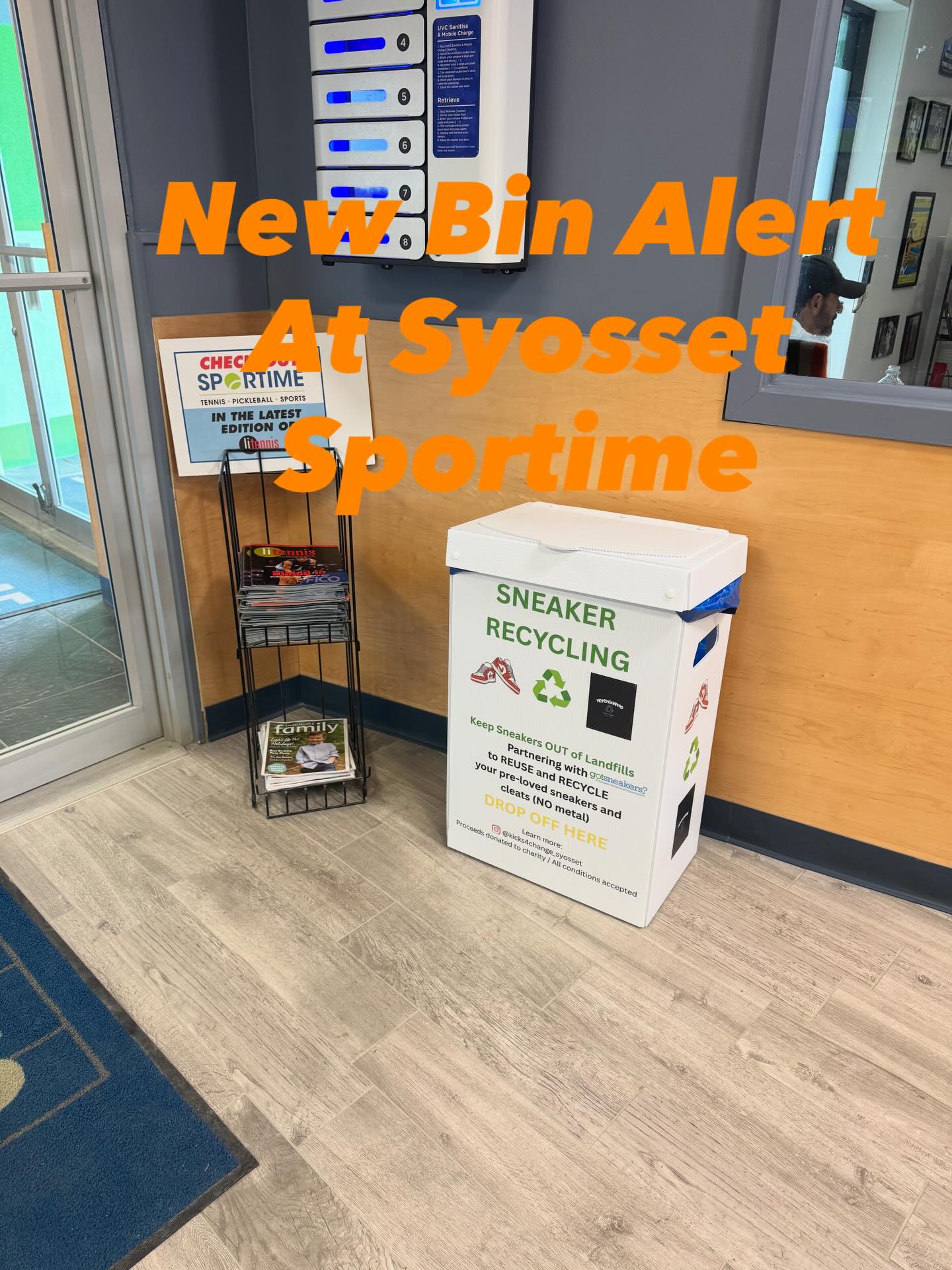
What qualifies: athletic shoes and casual sneakers, in pairs. Boots, heels, wedges, dress shoes, water shoes, and single shoes can’t be accepted.
Use the numbers in your sustainability reporting
Your monthly reports give you verified totals for pairs diverted and environmental impact. That makes your shoe collection easy to include in an annual sustainability or CSR report, an all-hands slide, or a post for customers. Employees like seeing their own effort show up in the company’s official story.
For more context to share with your team, read where old sneakers actually go.
FAQs about employee sustainability programs
How do you keep employees engaged in sustainability?
Show them results, give the program a rhythm tied to real moments, and put one person in charge of keeping it moving.
How often should we share updates?
Monthly works well, since that’s when your GotSneakers impact report arrives. A short update with a running total is enough.
What’s a good first event after launch?
A two-week department challenge works well, because it’s easy to run, it creates a reason to bring in shoes this week, and it gives you a result to share.
Can we use our collection numbers in our sustainability report?
Yes, your monthly Environmental Impact and Earnings Report includes your own pairs diverted and environmental impact totals.
What do employees need to know about which shoes qualify?
Athletic shoes and casual sneakers qualify as long as they come in pairs, while boots, heels, wedges, dress shoes, water shoes, and single shoes don’t qualify.
Keep the bin full
If you’re planning a push this quarter, order your bags a couple of weeks ahead so they’re on hand when it starts.